

12. Double Personality Wellbeing 【Column: Leap Before You Look】
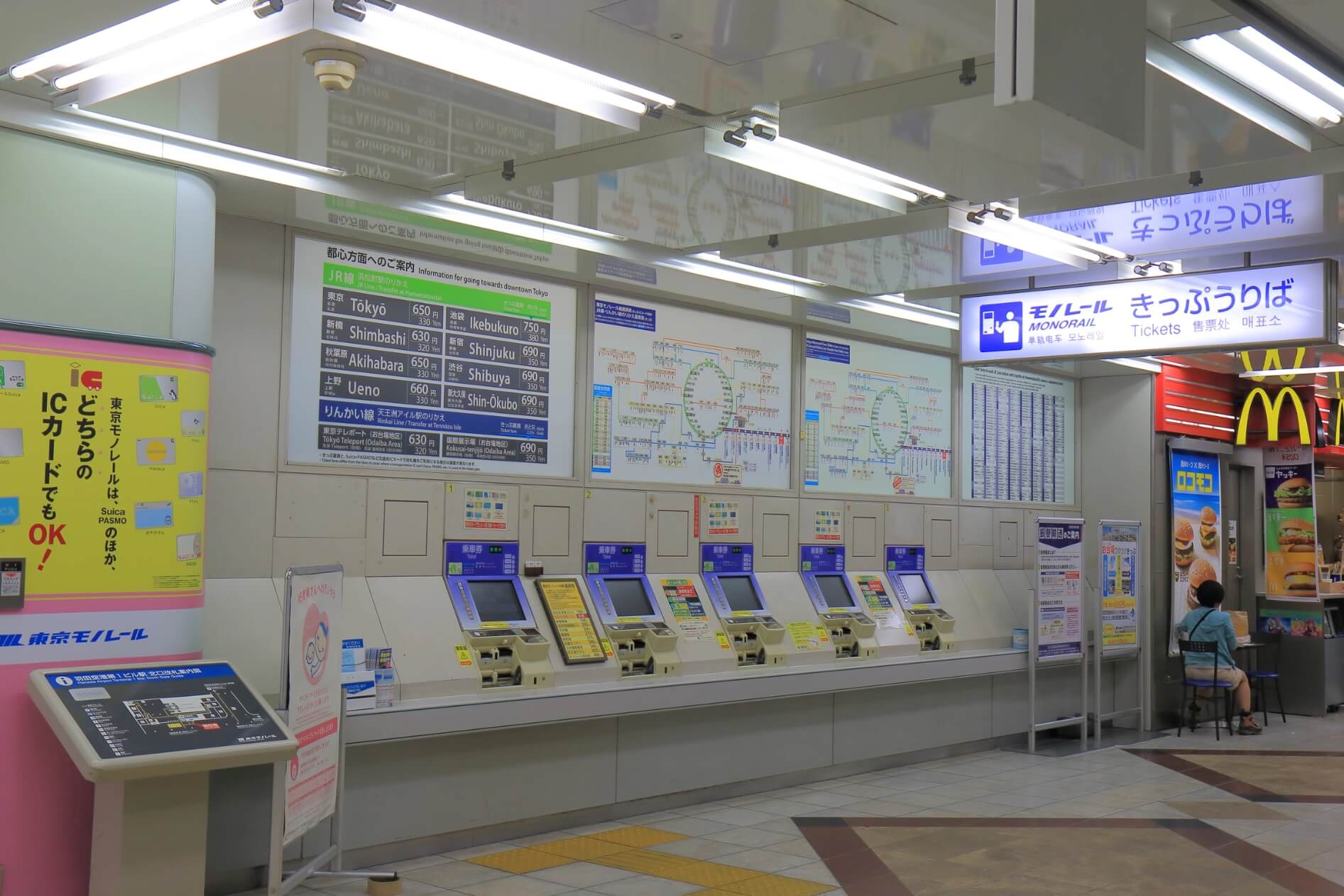
“何かお手伝いできることはございますか (Is there anything I can assist you with)?” As soon as I stood at the end of a queue at the monorail station at the Haneda Airport, clearly non-Japanese staff approached and talked to me in 流暢な日本語で (fluent Japanese). “Oh, pardon me, I just need to find out if my スイカ (Suica) has enough money on it – Am I on the wrong line?” I replied きまり悪そうに (sheepishly) – you see, when I speak in Japanese, my personality is much less assertive and more apologetic.
“こちらへどうぞ (This way, please).” She cut the long line and took me directly to a ticket vending machine. Apparently, I was on the wrong line, and I felt so grateful for her kind assistance. She stayed there to make sure I knew what I was doing while I あれこれいじり回す (fiddled around) with my prepaid card. Instead of saying Thank You, I apologized to her for causing trouble. Yes, I can still do this, I can be Japanese.
This brought my memory back from when I first moved to the US and had my very first 勤務評価 (performance review). My boss was a youngish Japanese man. We started speaking in Japanese since that was the 母国語 (native tongue) for both of us. But I soon recognized I had to switch to English if I ever wanted to tell him my accomplishments and ask him for a raise. I can only 自慢する (toot my own horn) when I’m speaking in English.
Being assertive and standing up for yourself has its own place; however, being modest and trying to be harmonious with others is something I とても大切にする (cherish greatly) about Japanese culture. In various occasions in Japan, I encounter competent people 仕事を巧みに遂行する (skillfully executing their job) yet being so humble. You can see they are proud of what they do. It doesn’t matter if they are working at a train station, a fast-food restaurant, a bank, or a 多国籍商社 (multi-national trading company).
Recently, Japan has been experiencing a record number of foreign visitors. I truly hope those who are visiting will 事前に宿題をする (do some homework in advance) about our culture and appreciate what Japan has to offer. In return, I hope Japanese people can have some fun mixing with people from different cultures. We all need to take off our 色眼鏡 (colored glasses) called stereotypes and have heart-to-heart interactions if it’s all possible. And できないことは無い (anything is possible) if we set our mind to it.
Related articles
31. Welcome to Preboard【Column: Leap Before You Look】
Something caught my attention while waiting to board flights in Japan. I am used to hearing an

30. How to Say Good-Bye【Column: Leap Before You Look】
When my dad passed away 6 years ago, Japan had just closed its borders. Nobody was permitted to ente
29. Tinkle Tinkle Little Star【Column: Leap Before You Look】
Recently, I was at a storytelling event where I heard an 洞察力に富み興味深い (insightful and intriguing) stor