

Last Updated: 21 Jan 2026 24. Universal Language【Column: Leap Before You Look】
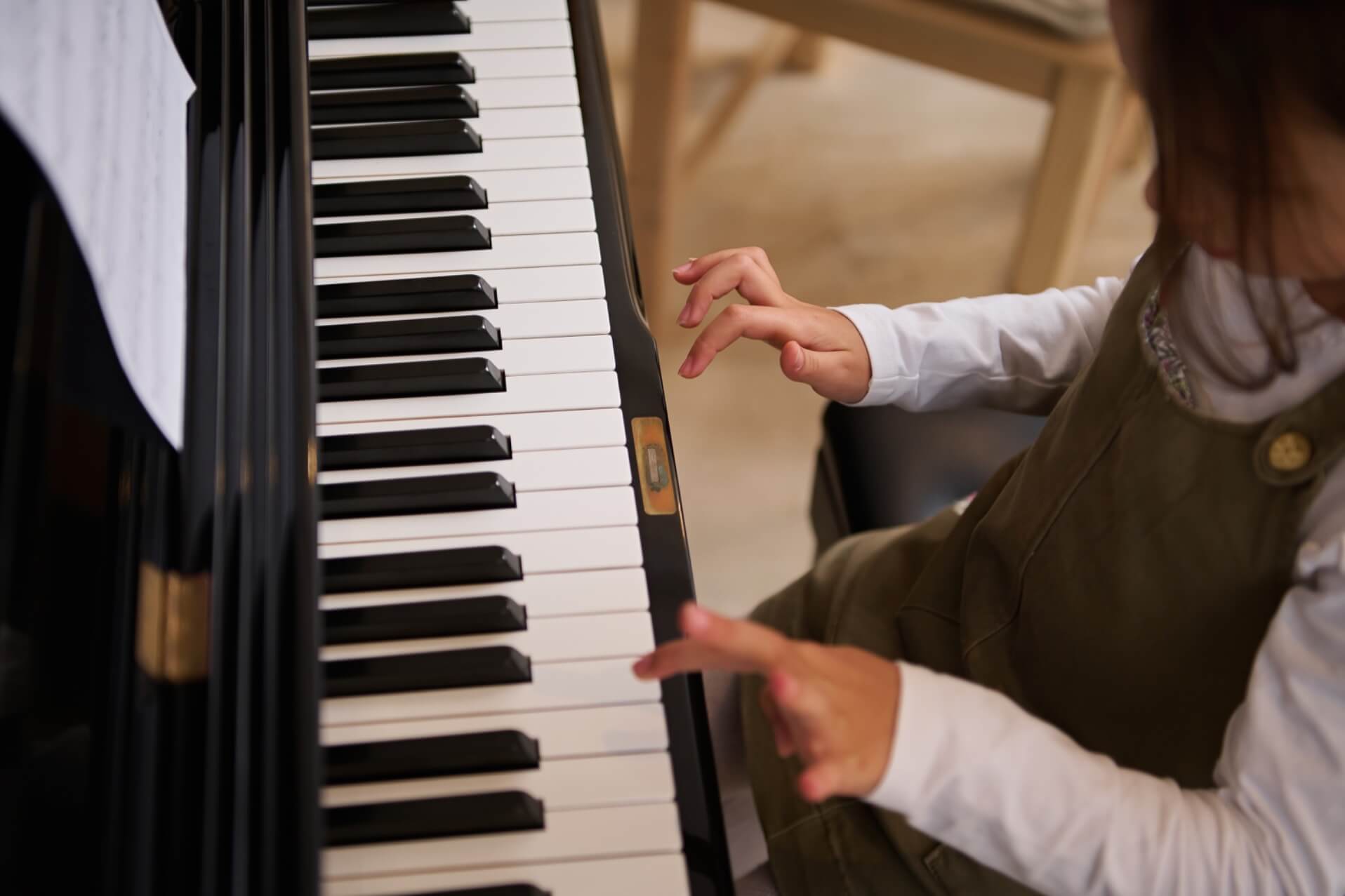
They say music is a 世界共通言語 (universal language). Is that really so? When I decided to pick up a new instrument (cello) several years ago, I thought it would be relatively easy for me because I already speak the language from when I studied piano as a little girl. I was wrong – I had to re-learn my vocabulary all over again, since I only spoke “ドレミ (do-re-mi)” not “C-D-E.” やれやれ… (Good grief)!
But still, I am grateful to Mom who insisted that I learn the piano. I did develop an 音楽への愛着 (appreciation for music). Recently, while waiting for my turn outside my cello teacher’s studio and listening to the beautiful sounds こぼれてくる (spilling out) from behind the door, I was not surprised to find out that the person making such exquisite music was a small boy chaperoned by his mom. As I entered the room and he left, I gave him a nod, and he nodded back at me. We shared something in common, and we didn’t need to talk.
Later in my life, I learned my mom was just being a typical 教育ママ (Tiger Mom). It wasn’t enough for her that I did well in school; I had to learn an instrument. And not just learn but be better at it than my friends Mihoko-chan and Masato-kun. Mihoko-chan and Masato-kun also had their own Tiger Mom. In addition to learning piano and violin (respectively), they were also taking either a 書道 (calligraphy) or an そろばん (abacus) class. I actually had it easier than they did, looking back.
The situation surrounding Tiger Moms in Japan is a bit different these days. The parenting concepts are shifting to more balanced and supportive approaches. There are still traditional elements in parenting, including a more 権威主義的なアプローチ (authoritarian approach) to discipline and emphasis on 調和と尊敬 (harmony and respect) in the learning environment.
My sister, who also learned piano when she was young and played better than me, did not make her two sons learn any musical instruments. But they both went to くもん (Kumon, afterschool math and reading program) and later to 進学塾 (preparatory school).
I believe music 超越する (transcends) language and cultural barriers. There may be different instruments or scales or rhythms in different part of the world, but what music gives us remains the same – a sense of connection beyond words. Tiger Moms weren’t wrong trying to provide us with such a powerful tool while we are still in an 感受性の強い年頃 (impressionable age). Next time I see you, I will play some music for you, Mom.
Related articles

23. Cho-Cho San【Column: Leap Before You Look】
Somehow, I am strongly attracted to Puccini’s opera, 蝶々夫人 (Madama Butterfly). I have been to m

22. Dare to be Barefoot【Column: Leap Before You Look】
One thing I never 屈服する (gave in to) while living here in the US for many years is to wear shoes insi
The culture component and why it matters in management
Let me start with what might at first appear to be a personal story unrelated to cross-cultural mana